September 30, 2026
In a world where energy conservation and efficiency are prioritized, the use of oil heating systems remains remarkably prevalent across North America. Despite the growing popularity of alternatives such as gas, electric, and renewable heating systems, oil heating continues to serve a significant portion of the population. Understanding the intricacies of oil heating systems can help homeowners make informed decisions about their energy use, ongoing expenses, and long-term comfort. As technology advances, so too does the landscape of residential energy, demanding an updated comprehension of traditionally used setups. According to Yahoo, roughly 4.8 million residences throughout the United States depended on heating oil in 2024. This statistic highlights the absolute necessity of understanding these platforms, as a huge portion of the population continues to rely on this proven energy source. Homeowners must navigate the complexities of installation, maintenance, costs, and environmental impact to optimize their residential setup. Working with top heating oil companies ensures you get the best fuel quality and system support for your equipment.
Explore Components of Modern Systems
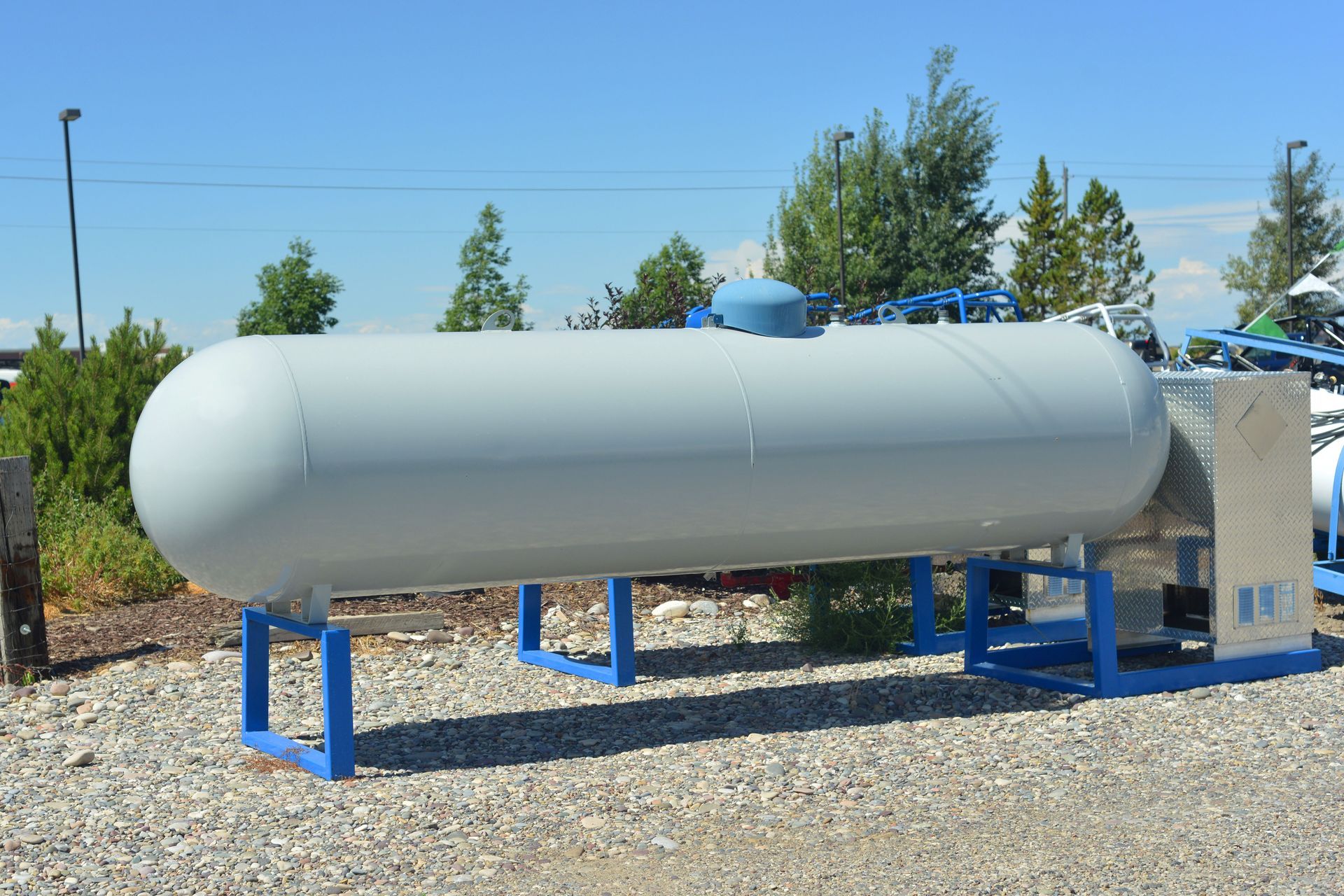
To fully understand oil heating systems, it is vital to familiarize yourself with their primary components. These setups primarily consist of a durable storage tank, an efficient oil furnace or boiler, and an integrated heat distribution network. Each of these components plays a crucial role in ensuring efficient heating, with the storage unit keeping the necessary fuel safe and the furnace converting it into warmth. Additionally, modern setups often incorporate auxiliary components such as digital thermostats, oil filters, and automatic safety controls. The thermostat is essential for regulating ambient temperature, while heavy-duty filters help ensure clean fuel is delivered directly to the burner. Safety controls can prevent hazardous situations by shutting equipment down in case of unexpected pressure changes. Understanding these components is the first step in ensuring the long-term reliability and overall efficiency of your equipment. Homeowners should regularly inspect each part to prevent sudden mechanical failures and optimize seasonal performance. Local heating oil companies can assist with detailed inspections and replacement parts whenever needed.
Master the Fundamentals of Operation
At the heart of any home heating system is the core process by which fuel oil is transformed into usable heat. Initially, the system pulls fuel from the external or interior storage tank directly to the furnace or boiler burner. Here, the liquid fuel is atomized into microscopic droplets and mixed with ambient air, creating a fine mist that is ignited inside the combustion chamber. This continuous ignition generates a precise flame, heating a robust heat exchanger which in turn warms the circulating air or water throughout the home. The efficiency of this core process can significantly affect the annual cost and overall effectiveness of your setup. As a result, understanding the basic working methodology helps homeowners optimize their overall energy usage. While the basic mechanical principles remain the same, modern advancements in design have led to the development of high-efficiency models. Such models aim to reduce energy waste and enhance seasonal performance, allowing for more eco-friendly and cost-effective residential solutions. Staying informed about these technical improvements can better equip homeowners when making major appliance decisions. Relying on trustworthy heating oil companies guarantees that your system is fueled with high-grade, clean-burning products.
Examine Diverse Equipment Options
Oil heaters come in several distinct physical configurations, each catering to different types of residential heating needs. The most common types include high-powered oil-fired furnaces, heavy-duty boilers, and localized oil-filled radiant heaters. Oil-fired furnaces distribute warm air through central ductwork, while boilers circulate hot water or steam through sealed pipes to radiators or radiant floor systems. Oil-filled space radiators, on the other hand, are portable units designed for supplemental heating in specific interior rooms. Their radiant heat is often quite efficient for smaller, drafty spaces that need temporary warmth. The choice of equipment often depends on factors such as total square footage, local climate, and initial budget. Each system type presents unique benefits and drawbacks, necessitating careful consideration by homeowners before making a purchase. While traditional furnaces and boilers are suitable for comprehensive whole-house solutions, portable radiators offer flexibility without requiring permanent installation. Every option should be weighed against specific household requirements to determine the absolute best fit for your family. Dedicated heating oil companies can provide expert advice on which configuration aligns with your property.
Optimize Efficiency for Long Savings
The operational efficiency of oil heating systems is crucial in determining both environmental impact and annual fuel expenses. System efficiency is typically measured by the annual fuel utilization efficiency rating, which indicates how much fuel is effectively converted into usable heat energy. The higher the resulting percentage, the more efficient the overall system will be during operation. Modern heating units can achieve ratings of up to 95 percent, representing a massive improvement from older legacy models that might only reach 60 percent. These advancements in mechanical efficiency contribute significantly to reduced fuel usage and lower overall carbon emissions. This rapid progression means that modern homeowners can achieve superior indoor comfort while using far less fuel, simultaneously saving money and reducing environmental impact. It is important for homeowners to research and invest in higher-rated models to make the most out of their utility budgets. Such structural upgrades might carry higher initial purchase costs, but they consistently lead to substantial long-term savings and enhanced sustainability. Established heating oil companies can help evaluate your current equipment rating and recommend effective modern replacements.
Choose the Perfect System Size
Choosing the right oil heating setup for your specific floor plan is critical, as there are numerous physical factors to evaluate carefully. First, analyze the total square footage of your residence and determine the exact required thermal heating capacity. Larger properties with multiple levels will naturally necessitate systems with higher output capacities or specialized multi-zone plumbing layouts. Secondly, assess your region's winter climate severity, as colder northern areas demand far more robust and resilient heating hardware. Additionally, consider your total budget for upfront installation, ongoing fuel deliveries, and seasonal routine maintenance. Each decision element directly influences the overall operational efficiency and everyday effectiveness of your chosen system. Engaging with a fully licensed heating contractor can ensure a well-informed choice, providing professional insights into system capacities and expected fuel usage. This professional collaboration allows you to leverage expert industry knowledge, ensuring an optimal match for your home's unique layout. Ultimately, choosing the correctly sized system will amplify indoor comfort and extend equipment life for many years to come. Professional heating oil companies often employ experts who can perform precise heating load calculations for your residence.
Follow Proper Installation Guidelines
Proper installation techniques are paramount in maximizing a heating system's long-term operational lifespan and overall household safety. Industry-standard best practices dictate hiring certified, factory-trained installers to oversee every phase of the project setup. Professional installers ensure precise heating load calculations, accurate duct sizing, and fully secure fuel line connections. Proper structural placement of heavy equipment, especially indoor or outdoor fuel storage tanks, is essential for maintaining operational safety and ease of maintenance. Ensuring sufficient physical ventilation around burner assemblies and strict adherence to local fire safety codes dramatically reduces risks. Performing thorough system checks before and after final activation, such as pressure testing fuel lines, prevents future operational failures. With comprehensive attention to detail during the initial build, homeowners can significantly enhance safety, system reliability, and overall heating efficiency. Reliable heating oil companies work closely with certified technicians to verify that every installation meets strict safety standards.
Navigating the responsibilities of oil-heated homes requires a complete understanding of system components, routine maintenance, fuel pricing, and system efficiency. While modern energy markets continue to evolve, oil heat remains an incredibly dependable, warm, and highly effective choice for millions of households across the nation. By scheduling annual equipment inspections, upgrading to high-efficiency hardware, and insulating your living spaces, you can easily control annual heating costs while maintaining exceptional indoor comfort. To keep your system running smoothly and your tank filled with premium fuel, turn to the experienced team at Howard Gasoline & Oil Co Inc. Serving the Westmoreland County, PA area since 1923, they bring over a century of local expertise to every delivery and service call. Whether you need bulk fuel delivery, fleet fueling, industrial energy solutions, on-site fueling, or top-quality farm tanks, skid tanks, steel tanks, fuel tanks, and equipment sales, visit howardoil.com today to secure your home's energy needs.